

Most people walk into a thrift store, a Goodwill, or a flea market looking for a bargain. A few walk out with a life-changing item.
A Midwestern scrap dealer bought a golden egg for $14,000 and nearly melted it for bullion. A man in Pennsylvania spent $4 on an ugly painting because he liked the frame. A truck driver paid $5 for a canvas she found hideous. What connected all of them wasn't luck — it was the moment they stopped and looked more carefully than everyone else who had walked past.
That's the whole game with thrift store collecting. Knowing what you're looking at before the person pricing the table does.
Here are the 10 most famous examples of that — ranked by value, documented and verified by our team.
Spotted something in a thrift store, flea market, or garage sale that you can't identify? The Collectibles.com app lets you scan any item to get an instant identification and estimated value — before you buy or sell - Collectibles.com
The 10 Most Famous Thrift Store Finds of All Time
10. Ilya Bolotowsky Painting — $9.99 at Goodwill → $34,375 at Sotheby's
Where: Goodwill, Oak Ridge, North Carolina | When: ~2012
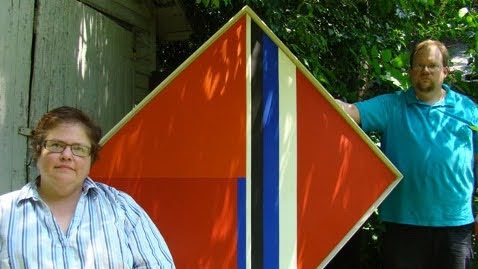
Beth Feeback first saw the big red abstract painting and didn't like it. She paid $9.99 for it at the Goodwill in Oak Ridge, North Carolina, hoping to reuse the canvas for her own paintings. A friend suggested she check the labels on the back, leading her to Google the name Ilya Bolotowsky — a celebrated abstract painter who had fled Russia for the U.S. as a teenager, whose works command prices upwards of $15,000. The painting, titled Vertical Diamond, sold through Sotheby's for $34,375. Feedback's response on learning what she had: "This is the most beautiful damned painting I've ever seen in my life."
What Collectors Should Know: The label on the back of a canvas is often worth more than the painting on the front. Maker's marks, signatures, gallery stamps, and inventory numbers on the reverse of artwork are where authentication starts — and where most thrift store buyers never look.
Image courtesy of ABC News
9. Vince Lombardi's West Point Sweater — $0.58 at Goodwill → $43,020 at Auction
Where: Goodwill, Asheville, North Carolina | When: ~2015
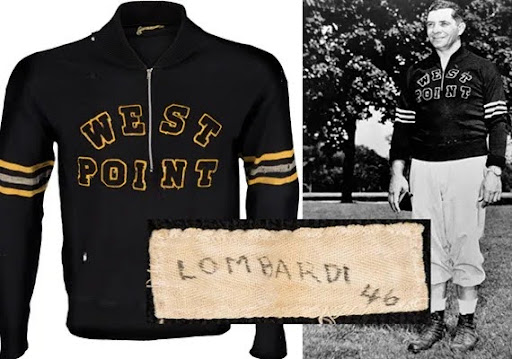
A vintage clothing reseller doing a routine sweep of an Asheville Goodwill pulled a wool varsity sweater marked "West Point" from the rack for 58 cents. Standard thrift store business — until authentication confirmed it had belonged to Vince Lombardi, the most celebrated coach in NFL history, worn during his time at West Point in the 1940s, before he built his legendary career with the Green Bay Packers. It sold at auction in New York City for $43,020. The buyer paid $0.58.
What Collectors Should Know: Sports memorabilia without documentation is worth almost nothing at the top of the market. This sweater sold because provenance was established through authentication, not because it looked different from any other old varsity sweater on the rack.
Image courtesy of The Stranger
8. Masters Tournament Green Jacket, 1950s — $5 at a Toronto Thrift Store → $139,349 at Auction
Where: Thrift store, Toronto, Canada | **When: **~2017
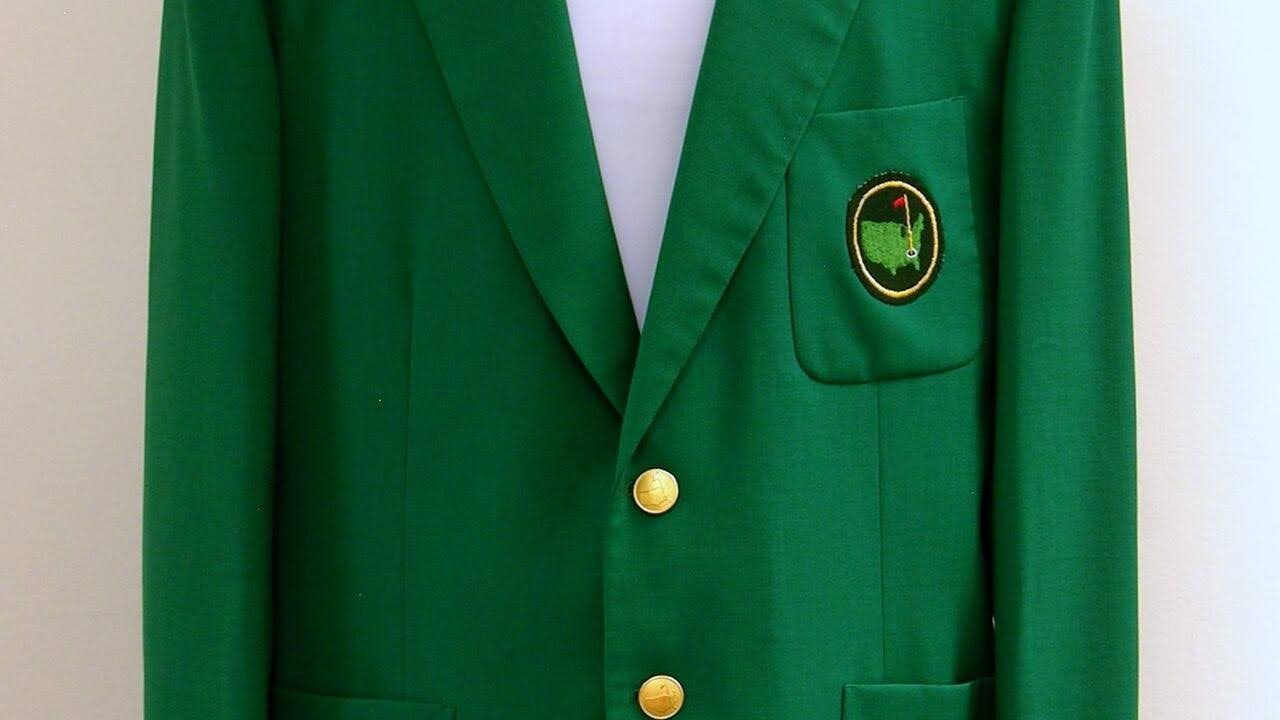
Someone walked into a Toronto thrift store and paid $5 for what appeared to be an old green blazer. It was, in fact, one of the earliest surviving Augusta National Masters Tournament green jackets [awarded to Masters Tournament winners since 1949 and one of the most iconic symbols in professional golf]. Believed to have been worn by a champion from the tournament's earliest era, it attracted 34 bids before selling for $139,349 — more than 27,000 times its sticker price. The original label had been removed, leaving the jacket's specific owner a mystery. A confirmed winner's name attached would push that number into a different tax bracket entirely.
What Collectors Should Know: Missing provenance is a ceiling, not a floor. This jacket sold for six figures without it. Documentation is always the multiplier.
Image courtesy of CBC News
7. Philip Treacy Elvis Handbag — £20 ($25) at Oxfam → ~$500,000 Estimated Value
Where: Oxfam shop, Kingston, London, UK | When: ~2012
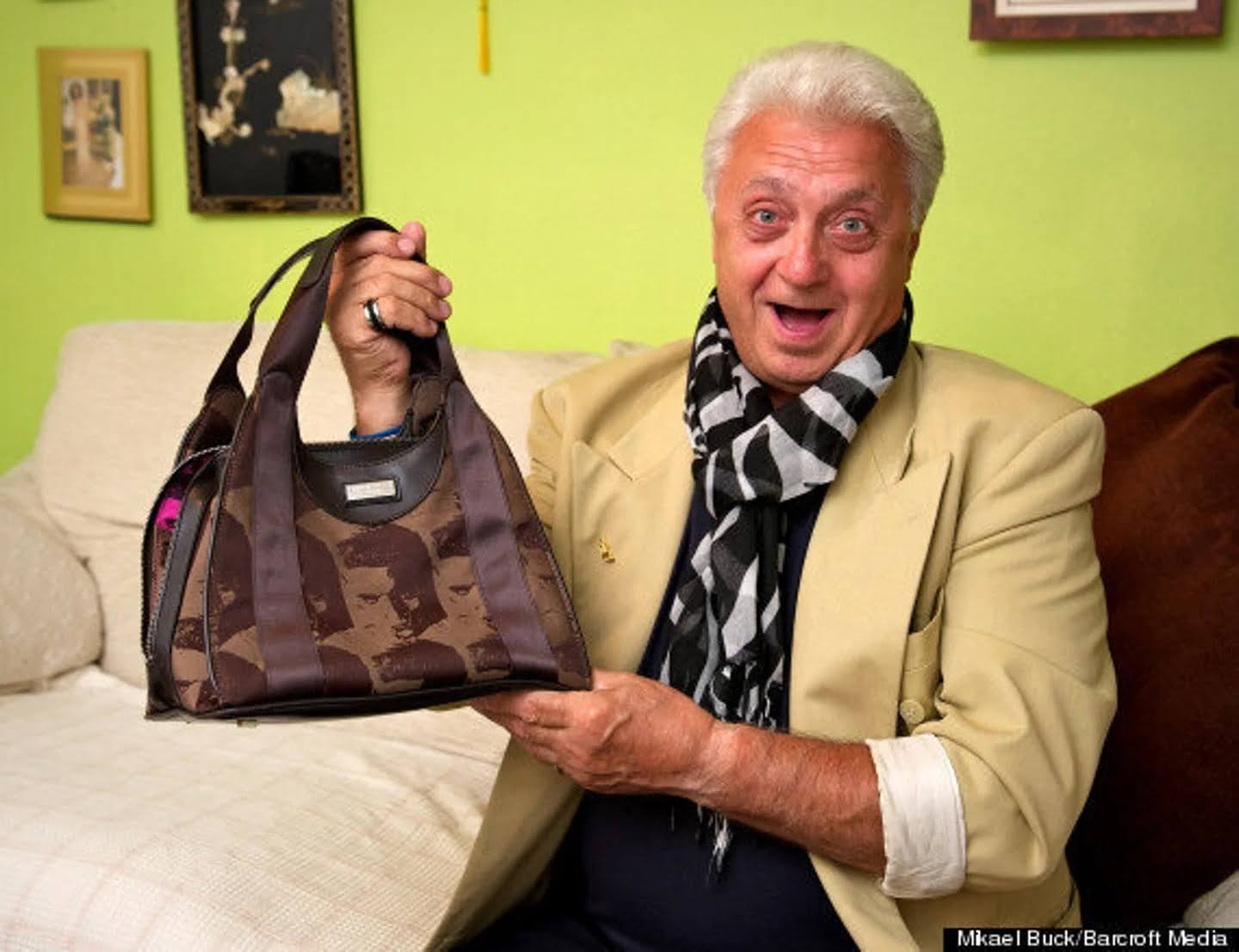
A rare Philip Treacy handbag, purchased for just £20 ($25) at an Oxfam shop in Kingston, London, was discovered by a retiree in a box. The handbag features an Elvis Presley design by Andy Warhol and is one of only 100 ever made. The 73-year-old retired man took it to a Philip Treacy shop in London to determine if it was designed by the famous hat designer, and it was authenticated, with an estimated value of $500,000. Found in a donation box at a charity shop.
What Collectors Should Know: Limited-edition designer collaborations — especially those involving both a major fashion house and a major artist — are among the most consistently underpriced items in thrift stores. Recognizing them on sight requires knowledge of two separate fields simultaneously.
Image courtesy of Huffington Post
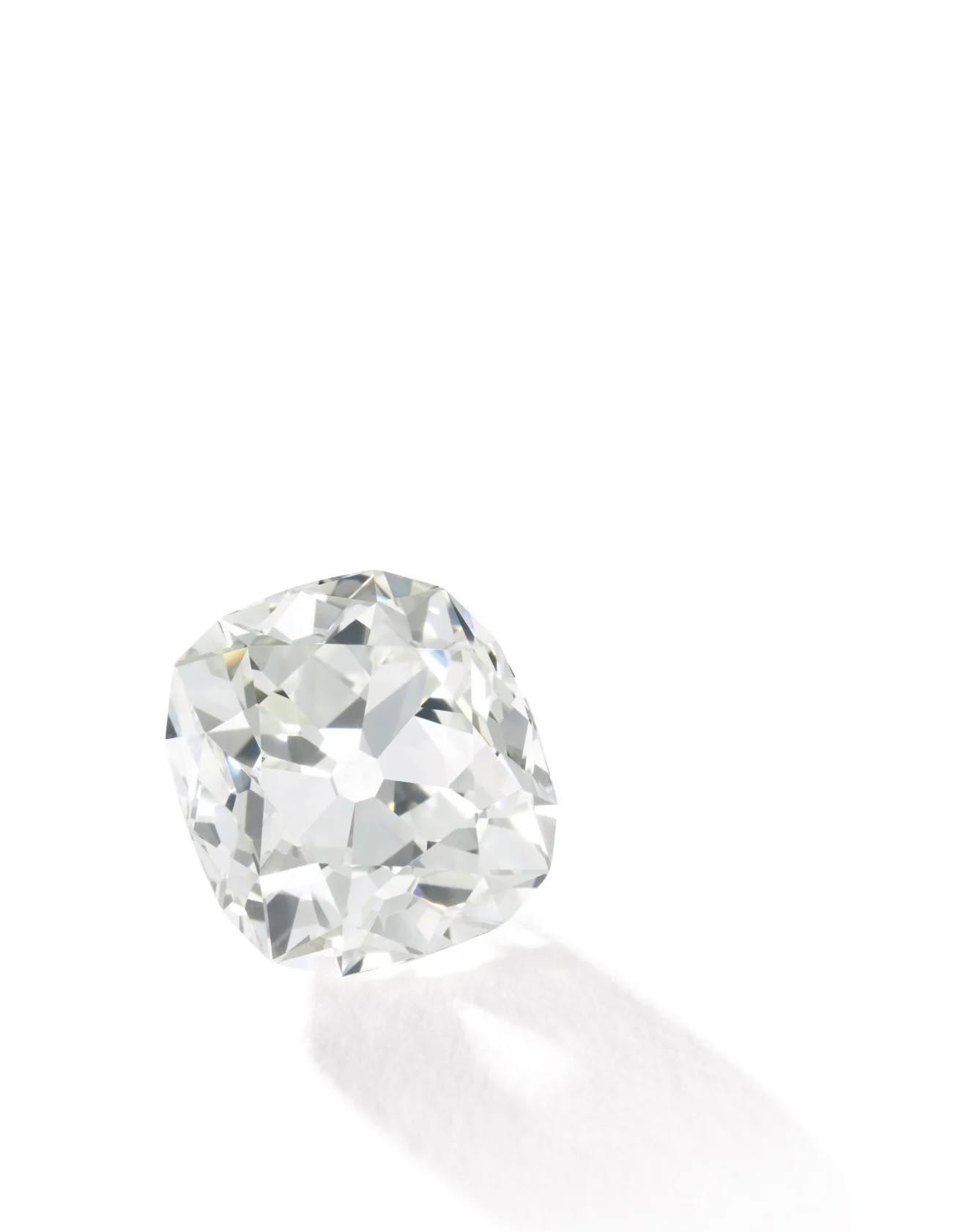
6. $26-Carat Victorian Diamond Ring — ~$13 at a Car Boot Sale → ~$858,000 at Auction
Where: Car boot sale, UK | When: ~2010s
A woman in the UK bought what she assumed was a piece of costume jewelry for around $13 at a car boot sale [a UK-style outdoor flea market held in car parks]. It turned out to be a 26-carat diamond cut in the 1800s, which sold for $848,000 at Sotheby’s. The stone had almost certainly been mistaken for paste glass [a type of lead crystal used to simulate gemstones in costume jewelry] by every previous owner who had moved it along — until a jeweler looked twice.
What Collectors Should Know: High-carat antique diamonds are impossible to identify without professional testing. A loupe [a small magnifying glass used by jewelers] and a basic understanding of hallmarks is the starting point — but for anything potentially significant, take it to a gemologist before you sell.
Image courtesy of CNN
- Northern Song Dynasty Bowl — $3 at a Connecticut Yard Sale → $2.2 Million at Sotheby's
Where: Yard sale, Connecticut | When: Found ~2007, sold at Sotheby's 2013
Around 2007, a buyer paid $3 for a small white bowl at a Connecticut yard sale. It carried no obvious mark of importance. Sotheby's identified it as a Northern Song dynasty Ding ware bowl — close to a thousand years old. It sold at Sotheby's in 2013 for $2,220,000. The confidence of bidders was bolstered in part because a near-identical example sits in the British Museum — context that turned a specialist's identification into a room full of competitive bids.
What Collectors Should Know: Chinese ceramics are the single most consistently undervalued category in Western thrift stores and yard sales. Authentic Song, Ming, and Qing dynasty pieces have passed through estate sales and flea markets for decades because the expertise to recognize them isn't widely distributed outside specialist circles.
Image courtesy of Sotheby’s
4. Billy the Kid Tintype — $2 at a Fresno Junk Shop → $5,000,000 Appraised Value
Where: Junk shop, Fresno, California | When: Found 2010, authenticated 2015
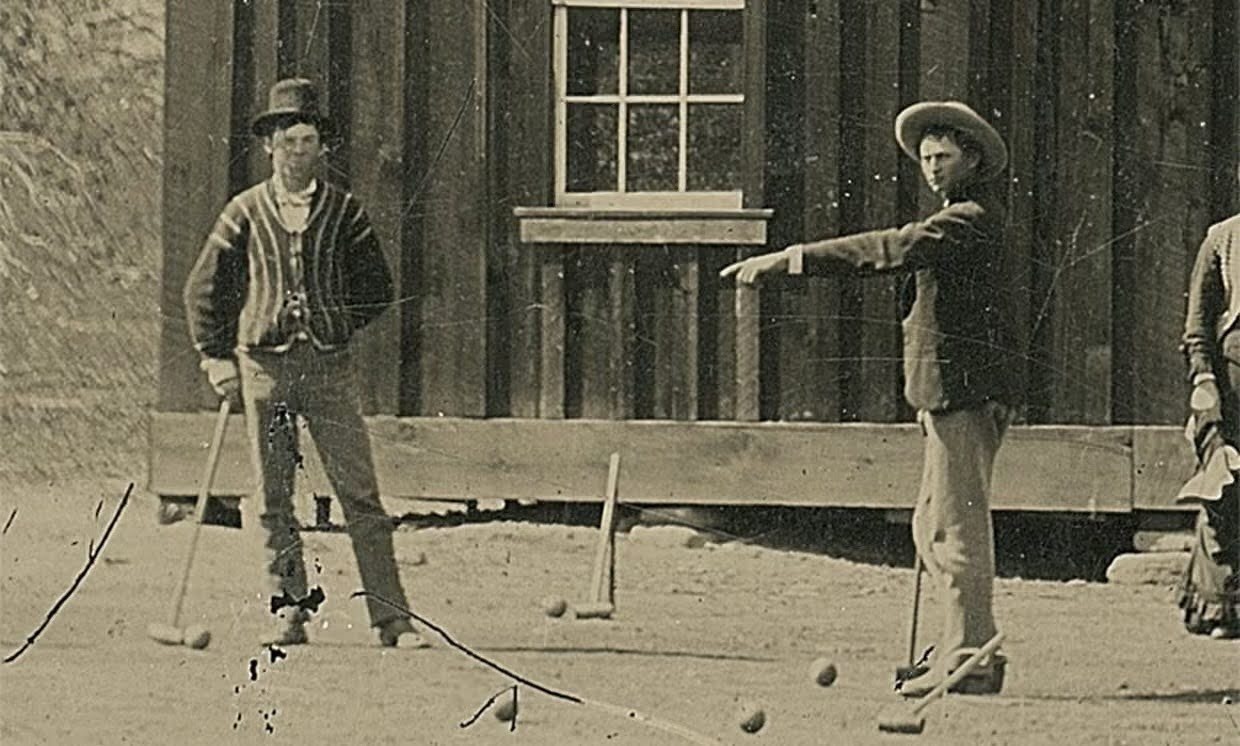
Randy Guijarro purchased an old tintype photo for $2 at a junk shop in Fresno, California. The 4-inch-by-5-inch tintype shows Billy the Kid in the summer of 1878 — playing croquet with members of his gang, the Regulators, at what is believed to have been a wedding in Lincoln County, New Mexico. It took more than a year of careful inspection before Kagin's Inc. would confirm the photo's authenticity. The only other known photo of the outlaw was taken in 1880 and sold for $2.3 million in 2010. The croquet tintype has since been appraised. and insured for $5 million and sold to a private collector.
What Collectors Should Know: Historical photographs are among the most undervalued items in thrift stores and flea markets. Tintypes [a photographic process on thin iron sheets, common from the 1850s through the early 1900s] are frequently mislabeled, misidentified, or priced as decoration. The subject, not the format, is what drives value.
Image courtesy of The Guardian
3. Dunlap Broadside Declaration of Independence — $4 at a Pennsylvania Flea Market → $8,140,000
Where: Flea market, Adamstown, Pennsylvania | When: Found in 1989, sold in 1991 and 2000
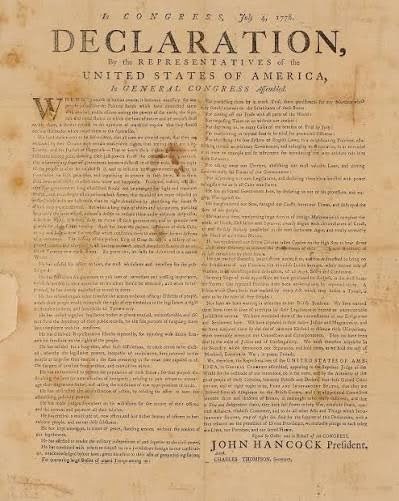
In 1989, a Philadelphia financial analyst bought an old painting at a flea market in Adamstown, Pennsylvania, for $4 — mostly because he liked the frame. When he got home, he removed the painting and found the Declaration, folded and hidden in the backing. It turned out to be a Dunlap Broadside [one of the official printed copies of the Declaration of Independence produced on the night of July 4, 1776, by printer John Dunlap, of which only 26 are known to survive today]. Just two years after it was bought for $4, it sold at Sotheby's for $2,420,000, establishing a record at the time for any printed piece of American history. Then in 2000, it was sold to a group — including television producer Norman Lear for $8.14 million — the last time one of the coveted Dunlaps sold publicly.
What Collectors Should Know: Of the 26 known Dunlap Broadsides, 23 are held by the U.S. government. The three in private hands include this one. It was the frame — not the painting — that the buyer wanted, and the frame that preserved the document in what Sotheby's described as "unspeakably fresh" condition.
Image courtesy of Royal Examiner
2. Lost Fabergé Third Imperial Easter Egg — $14,000 at a Flea Market → ~$33,000,000
Where: Antiques market, U.S. Midwest | When: Early 2010s, authenticated 2014
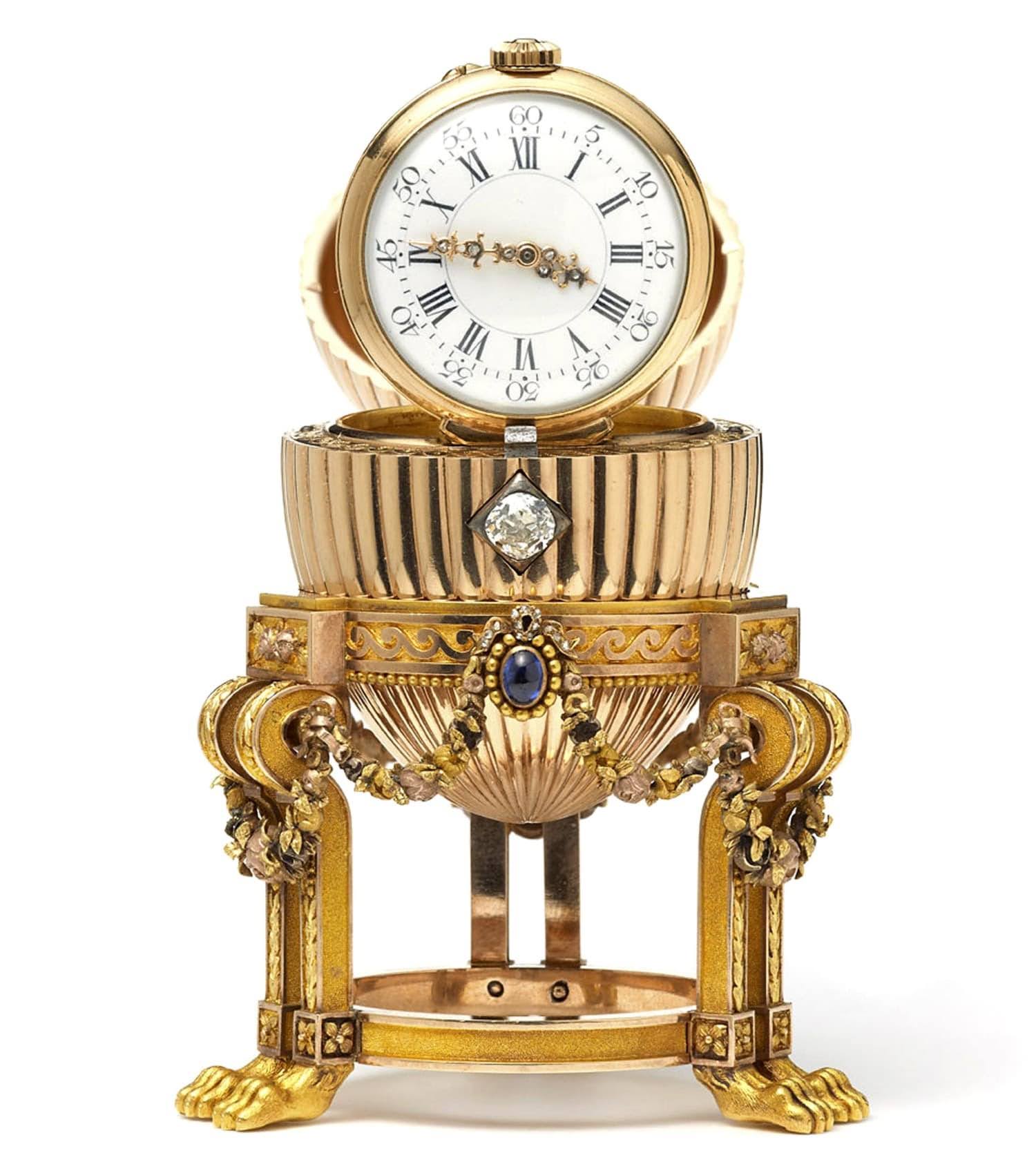
A man from the Midwest bought a small golden egg at a jumble sale for about $14,000, planning to sell it for scrap metal, hoping to make $500. He was unable to find a scrap buyer, and in desperation one night typed "egg" and the name engraved on the clock it contained — "Vacheron Constantin" — into Google. His search brought up an article describing a frantic search for the object: the Third Imperial Easter Egg, made by Fabergé for the Russian royal family.
The egg was the third precious ornamental Easter egg that Tsar Alexander III gave to his wife, Maria Fyodorovna, in 1887. It had been considered lost since 1922, when the Soviets listed it for sale as part of a policy of turning "treasures into tractors." London jeweler Wartski authenticated it and brokered a private sale to an anonymous collector. The value of the egg was estimated to be $33 million. The finder received, in the words of the authenticating expert, "a life-changing amount of money."
What Collectors Should Know: The egg had been sold at a New York auction in 1964 for $2,450 — listed simply as a "gold watch in egg-form case." Its imperial identity had been stripped away entirely. That's the mechanism behind almost every major thrift store find: it wasn't the object that was lost. It was the knowledge of what it was.
Image courtesy of NBC News
1. Jackson Pollock Painting — $5 at a California Thrift Store → $50,000,000 Asking Price
Where: Thrift store, California | When: 1992 — ongoing
Teri Horton bought what she thought was a huge, ugly painting for $5 as a gag gift to cheer up a friend in 1992. When she tried to unload it at a garage sale, an art teacher told her she should check it out to make sure it wasn't a Jackson Pollock. Horton ultimately hired a forensic specialist, who found a fingerprint from the famed splatter-painter on the piece and traced the paint to his studio. Horton reportedly turned down offers of $2 million and $9 million, holding out for $50 million. The mainstream art world has disputed the attribution for over 30 years. Horton has never backed down.
No confirmed sale has ever closed on this painting. It sits at #1 on this list by asking price, and as an honourable mention by verified transaction. But the story it tells is the purest version of why thrift store hunting matters: nobody looked carefully. Horton did. And she's been holding the line ever since.
What Collectors Should Know: Forensic art authentication — fingerprint analysis, paint chemistry, and canvas composition — exists specifically for cases where the paper trail has broken. The Horton case is the most publicly contested example of that process in modern art history, and the object remains unresolved, which is itself part of what makes it the most famous thrift store find ever.
Image courtesy of The Sun

##Honourable Mentions
Jaeger-LeCoultre Deep Sea Alarm Watch — $5.99 at a Phoenix Goodwill: Zach Norris saw a diving watch marked LeCoultre at a Phoenix Goodwill in January 2015, for just $5.99. The watch was a LeCoultre Deep Sea Alarm — one of the first watches with an alarm for divers, produced beginning in 1959, with fewer than 1,000 ever made. After the media outlet Hodinkee covered the find, Norris was flooded with offers from collectors worldwide.
All Quiet on the Western Front Movie Poster — Found Behind a Framed Thrift Store Print: An art dealer in South Carolina bought a framed mid-1800s print for a modest sum at a thrift store. Between the art and the cardboard backing was an original movie poster from the 1930 Oscar-winning film, with an estimated value of $20,000. The frame strikes again.
What Every Thrift Store Hunter Needs to Know
Every find above came down to the same moment: someone recognized something that everyone else had walked past. The Fabergé egg had been sitting in a Midwestern antiques mart long enough to become a financial burden. The Declaration of Independence had been folded behind a painting nobody wanted. The Song dynasty bowl looked like a $3 white bowl — because to anyone without the right knowledge, it was.
The gap between what something looks like and what it actually is — that's exactly where the hobby lives.
The categories that surface undervalued most consistently: Chinese ceramics, vintage watches, historical photographs, designer and luxury goods, and anything that looks like scrap but carries a maker's mark worth a Google search. In every case, the object didn't change. The knowledge did.
How Collectibles.com Helps Hunters Like You
Whether you're walking through a Goodwill, working a flea market table, or clearing out an estate sale on a Saturday morning, the window to make a decision is short. The person pricing the table doesn't always know what they have. Neither does the person standing next to you.
The Collectibles.com AI scanner changes that equation. Point your phone camera at any item — a ceramic bowl, a vintage watch, an old photograph, a piece of jewelry, a toy — and get an instant identification and estimated market value on the spot. No internet rabbit hole, no guessing, no buying blind. The same knowledge that took experts years to build is available in seconds, before you put it down or walk away.
Scan it. Know what it is. Buy or sell with confidence.
Ready to hunt smarter? Download the Collectibles.com app and start scanning.
Download our IOS App
Download our Android App

FAQ: Most Famous Thrift Store Finds
What is the most valuable thrift store find ever?
The most valuable verified thrift store find on record is the Lost Fabergé Third Imperial Easter Egg, purchased at a Midwestern flea market for $14,000 by a scrap metal dealer who nearly melted it down. It was authenticated in 2014 and estimated at approximately $33 million. If Teri Horton's disputed Jackson Pollock is ever fully authenticated and sold, it would surpass that figure by a significant margin.
Can you really find valuable items at thrift stores and flea markets?
Yes — and it happens more regularly than most people expect. The pipeline is consistent: estates get cleared quickly, heirs don't always know what a grandparent collected, and charity shops price by appearance rather than research. A sterling silver tray and a silver-plated one get tagged at the same $8. Knowledge is the only thing separating a trophy from a yard-sale dud.
What categories are most likely to be undervalued at thrift stores?
Chinese ceramics, vintage watches, historical photographs, limited-edition designer collaborations, antique jewelry, and original artwork are the categories that surface significantly undervalued most consistently. In each case, value is determined by details — maker's marks, reference numbers, subject identity, hallmarks — that aren't visible without specific knowledge.
How do I identify something I find at a thrift store or flea market?
Start with the back, base, or underside of the object — maker's marks, signatures, stamps, and inventory numbers are where authentication begins. For watches, note the reference number on the case back. For ceramics, photograph any markings on the base. For artwork, check the reverse of the canvas for labels and stamps. Then use an identification tool like the Collectibles.com AI scanner to get an instant read before you buy or walk away.
What should I do if I think I've found something valuable?
Don't clean it, alter it, or remove any original packaging, labels, or attachments — condition and original state matter enormously to value. Document it with photographs from every angle, including any markings. Then seek expert authentication through a relevant specialist, auction house, or third-party grading service before making any decisions about buying, selling, or insuring it.
Where are the best places to find valuable items cheaply?
Estate sales, rural flea markets, church thrift shops, and Goodwill stores in affluent neighborhoods consistently produce the strongest finds. Online platforms have made obvious bargains harder to find at digital marketplaces, but physical venues with fewer expert eyes passing through each week remain the most target-rich environments for informed hunters.
Disclaimer: All content on Collectibles.com is for educational and informational purposes only and does not constitute investment, financial, tax, or legal advice. Collectibles.com and its partners are not registered investment advisors. Past performance does not guarantee future results. Always consult qualified professionals before making decisions. No recommendations or solicitations are intended.

